
How to Plan a Porch That Fits Your Home

A screened porch adds livable space without the cost of a full home addition. It creates a comfortable spot to enjoy fresh air while staying protected from bugs and weather. Many homeowners jump straight to construction without considering design and budget factors first. Taking time to plan properly leads to a finished space that truly complements the home. Here is where to start.
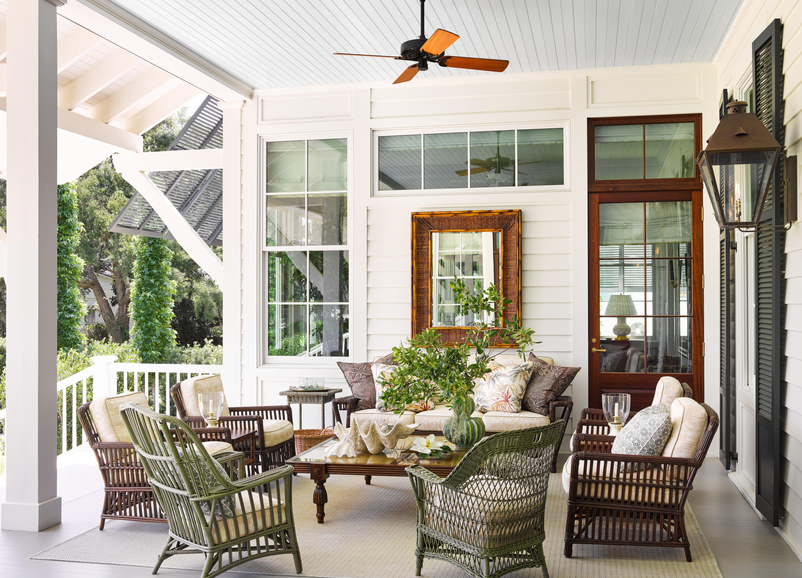
Designing a Porch You Will Actually Use

Not sure how to make a new porch feel like part of your home rather than an afterthought? Skilled porch builders Georgia homeowners choose blend design with everyday function. Here is how to plan it right.

Matching Architectural Style

A porch should feel like a natural extension of the existing home rather than a separate structure. Matching rooflines, siding, and trim details creates visual continuity. Homes with traditional architecture often benefit from classic porch details like tapered columns or wood railings. Modern homes might call for cleaner lines and minimal ornamentation. Thoughtful design choices prevent the addition from looking mismatched against the original structure.

Sizing the Space Appropriately

Porch size should reflect how the family actually plans to use the space. A small seating area works for quiet relaxation, while larger porches accommodate dining furniture or entertaining guests. Oversized porches can overwhelm a smaller home, while undersized spaces feel cramped once furnished. Walking through intended furniture layouts before construction helps determine appropriate dimensions for daily comfort and function.

Flooring Options Worth Considering

Porch flooring needs to handle moisture and temperature changes without warping or cracking. Composite decking resists rot and requires less maintenance than traditional wood. Tile offers a more finished look but can feel cold underfoot in cooler months. Painted wood provides classic charm but demands regular upkeep. Choosing flooring based on climate and maintenance preferences ensures lasting satisfaction with the finished space.

Budgeting for the Full Project

Costs vary based on size, materials, and additional features like electrical work or custom screening. Getting quotes that break down labor and materials separately helps homeowners understand where money goes. Setting aside extra budget for unexpected issues, like uneven ground or older home connections, prevents mid project stress. Comparing multiple estimates ensures the final number reflects fair market pricing for the scope involved.

Timing Construction Around Weather

Porch construction often goes smoother during drier months with moderate temperatures. Rain delays exterior work and can complicate certain phases like roofing or foundation pouring. Scheduling early in the planning process, ideally months ahead, helps secure a contractor during their preferred building season. This proactive approach often results in a smoother timeline and fewer weather-related delays during construction.

Conclusion: Designing a Porch You Will Actually Use

Planning a screened porch involves more than choosing screening material. Matching architectural style, sizing the space correctly, and selecting appropriate flooring all shape the final result. Setting a realistic budget and timing construction thoughtfully rounds out a smooth planning process. These considerations together create a porch that feels like a natural, lasting part of the home.

What Happens During a Controls Integration Project

Bringing in outside expertise to design and implement control systems involves more than simply installing equipment. Each project moves through distinct phases that shape the final result. Understanding this process helps facility managers know what to expect and how to prepare internally. Here is a look at how a typical project unfolds from initial assessment through final handoff.

A Look Inside the Integration Process

Wondering what actually happens once you hire outside help for your control systems? A skilled controls integrator Charleston SC manufacturers trust follows a structured process from start to finish. Here is how it works.

Initial Assessment and Planning

Every project begins with a thorough evaluation of existing equipment and operational goals. Technicians review current systems, identify limitations, and discuss specific challenges facing the facility. This assessment phase shapes the entire project scope. Skipping proper evaluation often leads to solutions that do not fully address underlying problems. A detailed planning phase upfront prevents costly adjustments once implementation work actually begins on site.

Designing the Control System

Based on the initial assessment, engineers develop a detailed design outlining hardware, software, and integration points. This phase includes selecting appropriate controllers, sensors, and communication protocols suited to the facility’s specific needs. Design documentation guides the entire implementation process. Facility managers should review these plans carefully before approval, since changes become more costly and time consuming once physical installation work has already started.

Programming and Configuration

Once hardware gets installed, technicians program the logic controlling automated processes. This includes configuring how equipment responds to various inputs and conditions. Software integration with existing systems also happens during this phase. Skilled programmers test logic thoroughly before moving forward, catching potential issues early. This careful approach reduces the chance of problems appearing later during actual production once the system goes live.

Testing and Commissioning

Before a system goes live, extensive testing verifies everything functions as intended. Technicians simulate various operating conditions to confirm proper responses. This phase often reveals minor adjustments needed before full deployment. Commissioning involves gradually bringing the system online, monitoring closely for unexpected issues. Thorough testing during this stage prevents costly production disruptions that might otherwise occur after a rushed or incomplete implementation.

Training and Ongoing Support

A successful project includes training facility staff on operating and troubleshooting the new system. This knowledge transfer ensures employees feel confident managing daily operations. Many integrators also offer ongoing support agreements covering future troubleshooting or updates. This continued relationship helps facilities address issues quickly without starting from scratch each time a question or problem arises after project completion.

Conclusion: A Look Inside the Integration Process

A controls integration project moves through distinct phases, from initial assessment through training and support. Understanding this process helps facility managers set realistic expectations and prepare internally for each stage. Careful design, thorough testing, and proper staff training all contribute to a successful outcome. This structured approach delivers systems that perform reliably long after installation finishes.