
What Happens During a Controls Integration Project

Bringing in outside expertise to design and implement control systems involves more than simply installing equipment. Each project moves through distinct phases that shape the final result. Understanding this process helps facility managers know what to expect and how to prepare internally. Here is a look at how a typical project unfolds from initial assessment through final handoff.

A Look Inside the Integration Process

Wondering what actually happens once you hire outside help for your control systems? A skilled controls integrator Charleston SC manufacturers trust follows a structured process from start to finish. Here is how it works.

Initial Assessment and Planning

Every project begins with a thorough evaluation of existing equipment and operational goals. Technicians review current systems, identify limitations, and discuss specific challenges facing the facility. This assessment phase shapes the entire project scope. Skipping proper evaluation often leads to solutions that do not fully address underlying problems. A detailed planning phase upfront prevents costly adjustments once implementation work actually begins on site.

Designing the Control System

Based on the initial assessment, engineers develop a detailed design outlining hardware, software, and integration points. This phase includes selecting appropriate controllers, sensors, and communication protocols suited to the facility’s specific needs. Design documentation guides the entire implementation process. Facility managers should review these plans carefully before approval, since changes become more costly and time consuming once physical installation work has already started.

Programming and Configuration

Once hardware gets installed, technicians program the logic controlling automated processes. This includes configuring how equipment responds to various inputs and conditions. Software integration with existing systems also happens during this phase. Skilled programmers test logic thoroughly before moving forward, catching potential issues early. This careful approach reduces the chance of problems appearing later during actual production once the system goes live.

Testing and Commissioning

Before a system goes live, extensive testing verifies everything functions as intended. Technicians simulate various operating conditions to confirm proper responses. This phase often reveals minor adjustments needed before full deployment. Commissioning involves gradually bringing the system online, monitoring closely for unexpected issues. Thorough testing during this stage prevents costly production disruptions that might otherwise occur after a rushed or incomplete implementation.

Training and Ongoing Support

A successful project includes training facility staff on operating and troubleshooting the new system. This knowledge transfer ensures employees feel confident managing daily operations. Many integrators also offer ongoing support agreements covering future troubleshooting or updates. This continued relationship helps facilities address issues quickly without starting from scratch each time a question or problem arises after project completion.

Conclusion: A Look Inside the Integration Process

A controls integration project moves through distinct phases, from initial assessment through training and support. Understanding this process helps facility managers set realistic expectations and prepare internally for each stage. Careful design, thorough testing, and proper staff training all contribute to a successful outcome. This structured approach delivers systems that perform reliably long after installation finishes.
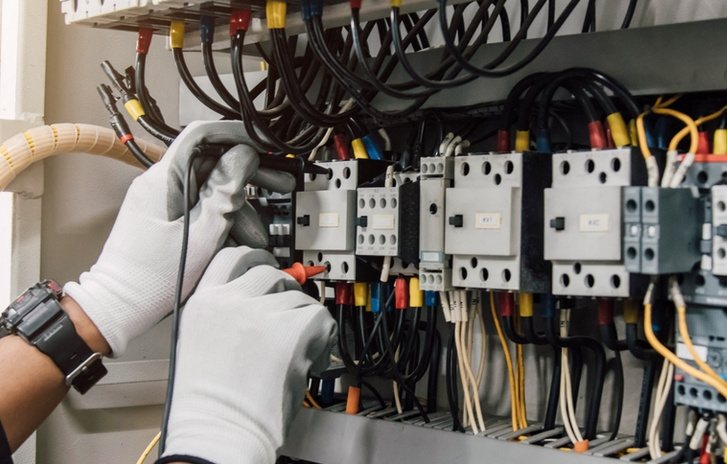
The Electrical Upgrades That Make Your Property Safer and More Valuable

Most property owners think about electrical work reactively, calling someone when something stops working or starts behaving strangely. The owners who get the most out of their properties, however, think about electrical systems proactively, identifying upgrades that improve safety, reduce operating costs, and add measurable value long before a problem forces the conversation.

Upgrading Your Electrical System Is an Investment, Not Just an Expense

Electrical upgrades tend to get postponed because they feel like pure cost with no visible return. The reality tells a different story. Strategic improvements to your electrical infrastructure deliver benefits that show up in energy bills, insurance assessments, home valuations, and daily convenience in ways that compound over time. For property owners ready to think ahead, Charleston electrician professionals help identify and execute the upgrades that deliver the greatest return for your specific situation.

A Panel Upgrade Changes What Your Property Can Handle

The electrical panel is the command center of your entire property, and an undersized or outdated panel creates a ceiling on what your electrical system can safely support. Properties with older panels often struggle to meet the demands of modern appliances, electric vehicle chargers, home offices, and smart home systems without tripping breakers or creating safety concerns. 

Whole Home Surge Protection Preserves What You Have Invested In

Individual surge protectors at outlets offer limited protection against voltage spikes that travel through your electrical system during storms or grid fluctuations. Whole home surge protection installed at the panel level intercepts those spikes before they reach your devices, appliances, and systems. For properties filled with electronics, smart appliances, and sensitive equipment, this upgrade delivers protection that individual power strips simply cannot match. 

Dedicated Circuits Eliminate a Common Source of Electrical Frustration

Many older properties were wired at a time when the electrical demands of a typical household were a fraction of what they are today. Kitchen appliances, home theater systems, workshop equipment, and home office setups often share circuits that were never designed for that level of continuous load. Installing dedicated circuits for high demand areas eliminates nuisance tripping, reduces wear on your electrical system, and ensures that the equipment drawing the most power operates in conditions that support its performance and longevity.

Outdoor and Landscape Electrical Work Expands How You Use Your Property

The usable square footage of a property extends beyond its walls, and electrical infrastructure that supports outdoor living makes a genuine difference in how much value you extract from your space. Weatherproof outlets, landscape lighting, dedicated circuits for outdoor kitchens, and proper wiring for outbuildings and garages transform underutilized exterior spaces into functional extensions of your home or business. 

Conclusion: Upgrading Your Electrical System Is an Investment, Not Just an Expense

To bring everything together, proactive electrical upgrades protect your property, expand its capabilities, and add real value that reactive repairs never deliver. Panel upgrades, surge protection, dedicated circuits, and outdoor electrical improvements are not extravagances reserved for renovation projects. They are practical investments that improve daily life and position your property for whatever comes next. The right time to make these improvements is before you need them, and the right professional makes all the difference in how well they serve you.